
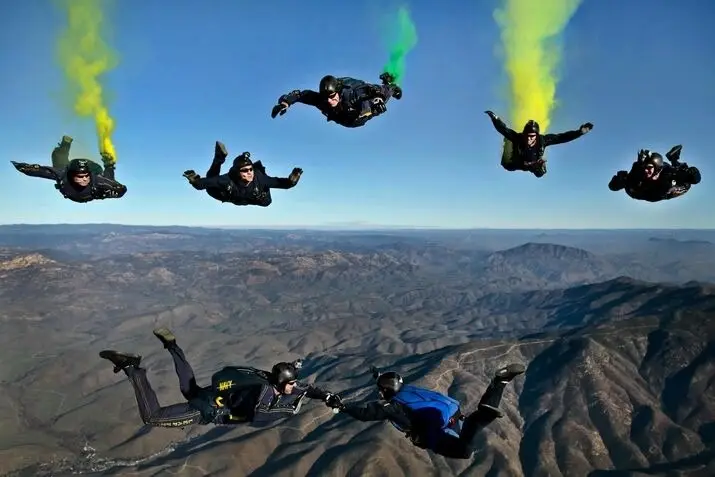
Do you want to experience the beauty of green mountains and white Himalayas by descending from thousands of feet above the sky? The white Himalayas and green mountains of Nepal are eager to welcome you. Skydiving in Nepal is an adventurous experience and a unique way to accept the invitation of the white Himalayas and green mountains. Yes, Nepal is world-famous for mountaineering and wildlife safaris. Still, skydiving is a hidden opportunity for adventurous tourists to experience adventure travel, if you are an experienced skydiver or want to experience skydiving for the first time! In this article, we’ll explore everything you need to know about skydiving in Nepal, including the best locations, costs, safety guidelines, and the ultimate thrill of leaping into the Himalayan skies.
Table of Contents
What is Skydiving?
Skydiving is an adventure sport where people jump from a height using a special parachute.
In this sport, people jump from an airplane and perform acrobatics in free fall for a while. After the parachute opens, they slowly descend to the ground.
Skydiving is a popular sport for people who want excitement, adventure, and thrill. This sport requires special attention to safety and is done with a trained instructor, especially for first-time participants.

Types of Skydiving:
Tandem Skydiving: Perfect for beginners, where the jumper jumps with certified and experienced instructors.
Solo Skydiving: Jumper jumps alone; requires training and a license.
Static Line Skydiving: Your parachute deploys automatically as you exit the aircraft.
Wingsuit Skydiving: An advanced form of skydiving where jumpers wear a special suit to glide through the air before deploying a parachute. It also requires special training and a license.
Is It a Safe Sport?
Yes—if you choose reputable companies that use modern gear, certified and experienced instructors, and strict safety protocols
A unique, adventurous experience in skydiving in Nepal
In Nepal, the experience of skydiving becomes like adding fragrance to gold for you. As you gaze at the towering white Himalayas and lush green hills from the open sky, you will lose yourself in the breathtaking views of valleys surrounded by slopes and serene lakes.
Although Nepal is known for trekking and mountaineering, for adventure tourists, Nepal offers a unique, adventurous experience unlike any of the world’s commercial skydiving hubs – imagine! Flying over the Himalayas with a view of Mount Everest!
How High is the Skydive in Nepal?
Skydives in Nepal vary in altitude. In Pokhara, skydiving altitude ranges between 11,000 to 13,000 feet.
The Everest Skydive is one of the highest skydives in the world, altitudes reach 23,000 feet or more. Due to the extreme height and low oxygen levels, Everest skydiving needs special training and the use of oxygen masks.
Best Places to Skydive in Nepal
Nepal has two world-class skydiving destinations, each offering a unique skydiving experience. Whether you’re a first-time jumper or an experienced skydiver, here are details for you on the best places to skydive in Nepal.
| Pokhara Skydive | Everest Skydive | |
|---|---|---|
| Perfect for | First-time jumpers | Expert skydivers |
| Jump Altitude | 13,000–15,000 ft | 23,000 ft (includes oxygen support) |
| Freefall Time | ~60 seconds | ~90 seconds (almost double a normal jump!) |
| Views | Phewa Lake & mountain vistas | Everest, Lhotse, and the entire Himalayan range |
| Experience Level | Beginner | Requires prior skydiving experience |
| Best Time to Jump | Peak Seasons: October–November (clear skies) & March–April (stable weather) | Only available in May & October (short weather window) |
| Avoid Time to Jump | Avoid: Monsoon (June–September) – unpredictable winds. | |
| Cost Important Note: Skydiving prices in Nepal vary by season, operator, and exchange rates. Always check the official websites below for current rates before booking. | Solo /Tandem Skydive Package: USD 2999/per person Video & Photography: USD 150 | USD 25,000 Per person (includes helicopter ride to altitude, medical support, and luxury experience) |
| Trip length | 8 Nights / 9 Days | 11 Days |
| Why choose? | Best for Beginners – Tandem jumps with expert instructors Most affordable skydiving in Nepal Iconic Himalayan views – Phewa Lake & Annapurna Range | Highest commercial skydive (23,000 ft!) Bucket-list bragging rights – jump near Mount Everest Longest freefall (~90 seconds due to thin air) |
| Website | https://www.nepalskydive.com | https://www.everestskydive.com |
Skydiving Safety & Regulations in Nepal
Although Nepal has amazing skydiving opportunities to you, but your safety must always come first. Here is all the information you require for a safe Himalayan freefall, including rules, operator credibility, and risk management.
Civil Aviation Authority of Nepal (CAAN) – Oversees all aerial sports
Required Licenses:
- Operators must have CAAN-approved drop zones
- Instructors need USPA (or equivalent) certifications
- Equipment must meet international safety standards (FAA/EASA certified)
How Nepal Compares Globally
- Stricter altitude regulations than many Western countries (due to Himalayan conditions)
- Fewer tandem jumps per year → Less fatigued instructors
- Newer equipment (most operators use modern rigs <5 years old)
Choose a Certified Operator: 5 Factors must Check
1. Valid CAAN License
- Verify their aviation operation certificate
- Check if they’re listed on Nepal’s Tourism Board website
2. Instructor Credentials
- Minimum USPA Coach rating for tandem masters
- 500+ jumps minimum experience
3. Ask about Himalayan-specific training
Always ask if skydiving instructors have Himalayan-specific training. Nepal’s high altitudes, mountain winds, and rugged terrain require special skills that standard certifications don’t cover. Good operators train their staff in:
- High-altitude oxygen use
- Mountain weather patterns
- Emergency landings in valleys
- Thin-air freefall techniques
If they can’t explain this training clearly, choose another operator. Your safety depends on their ability to handle Nepal’s unique skydiving conditions.
4. Equipment Inspection
- Main & reserve parachutes packed within the last 180 days
- AAD (Automatic Activation Device) mandatory
- Rigging inspected after every 100 jumps
5. Weather Protocols
- Reputable operators cancel jumps in high winds (>15 knots)
- Cloud base minimum 1,000 ft above the landing zone
6. Emergency Plans
- On-site medics/ambulance at the drop zone
- Helicopter evacuation access for Everest jumps
Red Flags: When to Walk Away
- Operators offering “cheap” jumps (below $250 for tandem)
- No visible certification paperwork
- Pressure to jump in questionable weather
- Old/worn harnesses (look for fraying straps)
- Unwillingness to show equipment logs
Safety Statistics: Nepal vs Global Standards
| Safety Metric | Nepal | International Average |
| Fatalities (per 100k jumps) | 0 (last 5 years) | 0.39 |
| Equipment Failure Rate | 0.02% | 0.03% |
| Weather Cancellations | 25% of booked jumps | 15-20% |
Data Source: Nepal Adventure Sports Association 2023 Report
Your Pre-Jump Safety Checklist
- Verify operator credentials (ask for license numbers)
- Check harness fit (should be snug but not restrictive)
- Confirm AAD is armed (the instructor should show you)
- Review hand signals (critical for in-air communication)
- Know emergency procedures (landing off-site, malfunctions)
Pro Tip: Reputable operators like Everest Skydive and Pokhara Skydive Center publish their safety records annually – ask to see them!
How to Book a Skydiving Adventure in Nepal
Choose a Reputable Operator
Safety and experience matter when skydiving in Nepal’s challenging terrain. Reputable operators like Everest Skydive and Pokhara Skydive Center ensure:
- Certified Instructors – USPA-trained with 500+ jumps
- Modern Gear – FAA/EASA-approved parachutes & AADs
- Weather Expertise – Cancel jumps if winds exceed 15 knots
- Emergency Protocols – On-site medics and evacuation plans
Cheap operators risk outdated equipment, untrained staff, and ignored weather risks. Paying slightly more guarantees:
- A thrilling (not terrifying) experience
- Himalayan views, not hospital views
Pro Tip: Your life is worth the extra cost—always verify licenses before booking!
Top Certified Skydiving Companies in Nepal
A. Everest Skydive
- Specialty: World’s highest commercial skydive (23,000 ft)
- Best For: Expert skydivers & bucket-list adventurers
- Booking Lead Time: 6-12 months (extremely limited slots)
- Website: everestskydive.com
B. Pokhara Skydive Center
- Specialty: Scenic tandem jumps over Phewa Lake
- Best For: Beginners & first-time jumpers
- Booking Lead Time: 1-3 months (peak season fills fast)
- Website: pokharaskydive.com
C. Himalayan Extreme Sports
- Specialty: Affordable tandem jumps + AFF courses
- Best For: Budget-conscious thrill-seekers
- Booking Lead Time: 2-4 weeks
- Website: himalayanextreme.com
Red Flags to Avoid:
- No physical office address
- Unverified online reviews
- Prices are significantly lower than competitors
When & How to Book
Booking Timeline
| Experience | Advance Notice Required |
| Everest Skydive | 6-12 months |
| Pokhara Tandem | 1-3 months (3-6 months for Oct-Nov) |
| AFF Course | 1-2 months |
Ways to Book
- Directly Through Operator Websites (safest option)
- Reputable Travel Agencies
- In-person in Pokhara (only recommended for last-minute bookings)
Pro Tip: For Everest Skydive, many applicants join a waitlist – flexibility with dates increases your chances!
3. What’s Included in Your Booking?
- Standard Package Inclusions:
- Pre-jump training (30-60 mins)
- All safety gear (harness, altimeter, goggles)
- Tandem instructor (for first-timers)
- Basic jump certificate
Common Add-Ons (Extra Cost)
- 4K Professional Video
- 360° Camera Package
- Exclusive Helicopter Ride (Everest): Included in premium packages
Always Confirm
- The exact altitude of the jump
- Weather cancellation policy
- Weight limits (usually 95-100kg max)
4. Payment & Cancellation Policies
Standard Payment Terms
- Deposit: 30-50% to secure booking
- Balance Due: 24-48 hours before jump
- Accepted Methods: Credit card, bank transfer, PayPal
Cancellation Policies
- Weather Cancellations: Full refund or reschedule
- No-Shows: Typically forfeit deposit
- Medical Issues: Requires doctor’s note for refund
Money-Saving Tip: Some operators offer 5-10% discounts for:
- Early bird bookings (3+ months ahead)
- Group reservations (3+ people)
- Weekday jumps (Mon-Thu)
5. Pre-Jump Checklist
Documents Needed:
- Passport copy
- Signed waiver form
- Travel insurance (verify skydiving coverage)
What to Wear:
- Tight-fitting clothes (no loose hoodies/scarves)
- Secure sneakers (no sandals/flip-flops)
- Sunglasses (non-metal frames)
Day-of-Jump Protocol:
- Arrive 1 hour early
- Avoid alcohol 24 hours prior
- Light meals are recommended (no heavy foods)
Skydiving in Nepal FAQs: Your Top Questions Answered
Many people have questions about skydiving in Nepal, particularly those who have never done it before. Before scheduling your jump, read these thorough, professionally endorsed answers to all of your questions.
1. “Do I need prior experience with skydiving in Nepal?”
Answer:
- Tandem jumps: No experience needed! You’ll be harnessed to a certified instructor.
- Solo jumps: Requires a USPA A-license (or equivalent).
- Everest Skydive: Tandem available but requires proof of 200+ jumps or special approval.
Pro Tip: First-timers should choose Pokhara tandem jumps – just 15 minutes of training before your leap.
2. “What are the age/weight limits for skydiving?”
Age Requirements:
- Minimum: 16 years (with parental consent for 16-18)
- Maximum: No strict limit if medically fit (oldest recorded tandem jumper in Nepal: 78!)
Weight Limits:
- Pokhara: 95-100kg max (210-220 lbs)
- Everest: 90kg max (200 lbs) due to high-altitude physics
Note: Operators may charge extra fees for jumpers over 85kg for additional equipment needs.
3. “Can I skydive near Mount Everest?”
Answer: Yes – but with major caveats:
- Only through Everest Skydive (1-2 operators/year)
- Limited to May (sometimes October if weather permits)
- Extremely expensive
- Not a traditional “near Everest” jump – you’ll be 50km away, but see it.
4. “Is skydiving in Nepal safe?”
Key Safety Facts:
- 0 fatalities in commercial skydiving (last 5 years)
- Modern gear: All operators use FAA/EASA-certified equipment
- Strict regulations: CAAN audits operators annually
Risk Comparison:
- More dangerous than paragliding
- Safer than mountaineering in Nepal
- Similar safety record to European/US drop zones
Red Flags for Unsafe Operators:
- Won’t show equipment logs
- Pressure you to jump in high winds
- Prices are significantly below the market rate
5. “Can I bring my own GoPro?”
Answer: Generally, no – but exceptions exist:
- Pokhara: Some operators allow chest-mounted GoPros
- Everest: Professional videography only (no personal cameras)
Why the restriction?
Untrained flyers often lose their grip during freefall, creating dangerous debris.
6. “What if I panic mid-air?”
Reality Check:
- Tandem jumps: The instructor handles everything – you just enjoy the ride
- Training: Covers breathing techniques to stay calm
- Statistics: <1% of tandem jumps abort due to panic
Pro Tip: Focus on the breathtaking views – most first-timers forget their fear instantly!
7. “How long is the freefall?”
- Pokhara (15,000 ft): ~60 seconds
- Everest (23,000 ft): ~90 seconds (longer due to thin air)
- Canopy ride: 5-7 minutes of peaceful descent
Conclusion: Why Skydiving in Nepal Should Be on Your Bucket List
Nepal is one of the world’s most spectacular skydiving destinations, offering adventure activities.
Why Nepal Stands Out for Skydiving
- Unbeatable Scenery – Jump over the Annapurna Range or with Everest on the horizon
- Unique High-Altitude Thrills – The Everest Skydive is a once-in-a-lifetime feat.
- Beginner-Friendly – No experience is needed for tandem jumps in Pokhara
- Combine with Other Adventures – Make it part of an epic Nepal itinerary
Final Tips for Your Jump
- Book early – Especially for Everest (6-12 month lead time) or peak season in Pokhara
- Choose certified operators – Never compromise on safety
- Pack smart – Tight clothing, secure shoes, and a fearless attitude!
Your Adventure Awaits – Take the Leap!
Whether you’re chasing the ultimate adrenaline high or just want to see the Himalayas from a perspective few ever do, skydiving in Nepal is worth every rupee and every heartbeat.
If you are looking for the ultimate rush of excitement or simply want to see the Himalayas from a viewpoint that few people ever get to witness!
Book your Pokhara tandem jump here
Inquire about Everest Skydive here
Still hesitant? Remember:
“You don’t have to be brave to skydive—just brave enough to book it!”
Good luck!
